The sister’s downfall begins with a rebellion against imposed norms, where pleasure becomes her weapon of autonomy. This section examines key moments where her choices—driven by desires for freedom, love, or creativity—clash with familial or societal structures. Influenced by Camus’ The Fall , we see the sister’s sin not as a singular act, but as a prolonged erosion of self-respect under the weight of her own indulgence.
"Sister Fallen, Pleasure Reclaimed: A Narrative Exploration of Descent and Redemption" sister fallen pleasure
In 19th-century literature, the “fallen woman” was a tragic stock character. She was the sister who strayed: the one who traded virtue for passion, security for a stolen kiss. Her pleasure (sexual, social, or financial) was always temporary, and her “fall” was always eternal. Think of characters like Lizzie’s sister in Rossetti’s poem Goblin Market (Laura, who eats the goblin fruit for pleasure and falls into wasting despair) or Catherina in Wuthering Heights . The sister’s downfall begins with a rebellion against
Sisters share a unique "commingling" of history and identity. In classic literature like Christina Rossetti’s Goblin Market , the "fallen" sister Think of characters like Lizzie’s sister in Rossetti’s
Sisters, like any other individuals, have unique personalities, interests, and experiences that shape their lives and relationships. The pleasure a sister may derive from various activities or interactions can be influenced by her:
Is the "fall" a tragedy to be mourned, or a necessary step toward self-discovery?
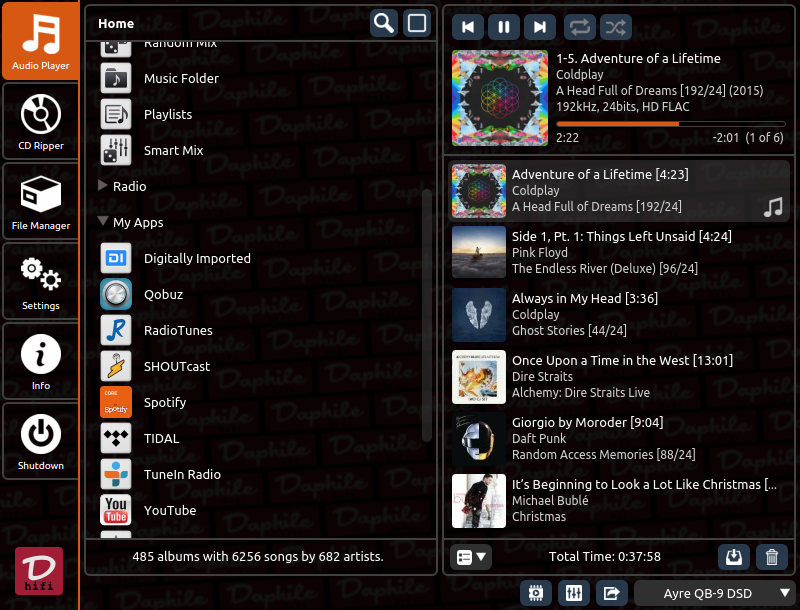
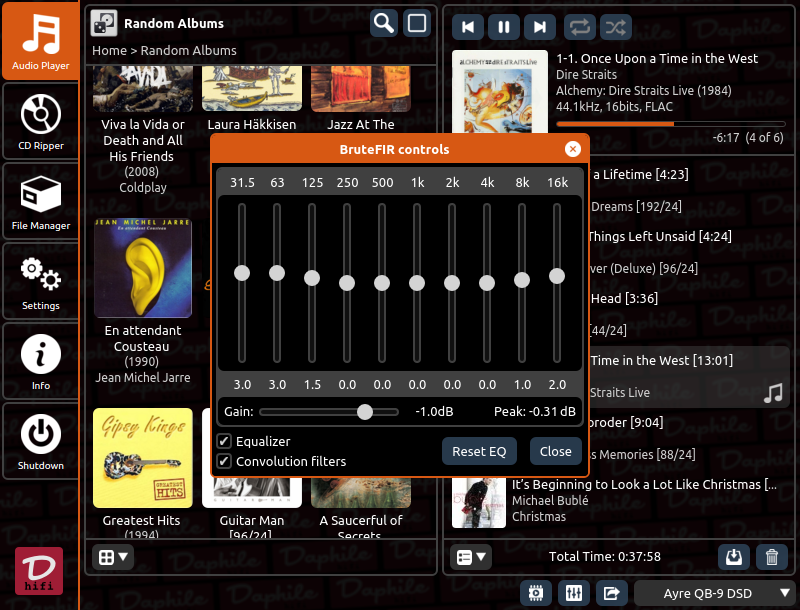
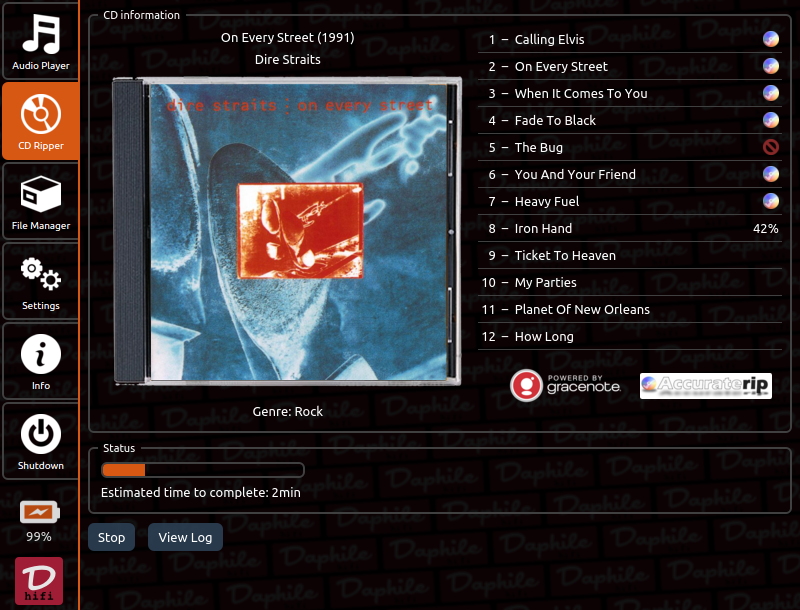
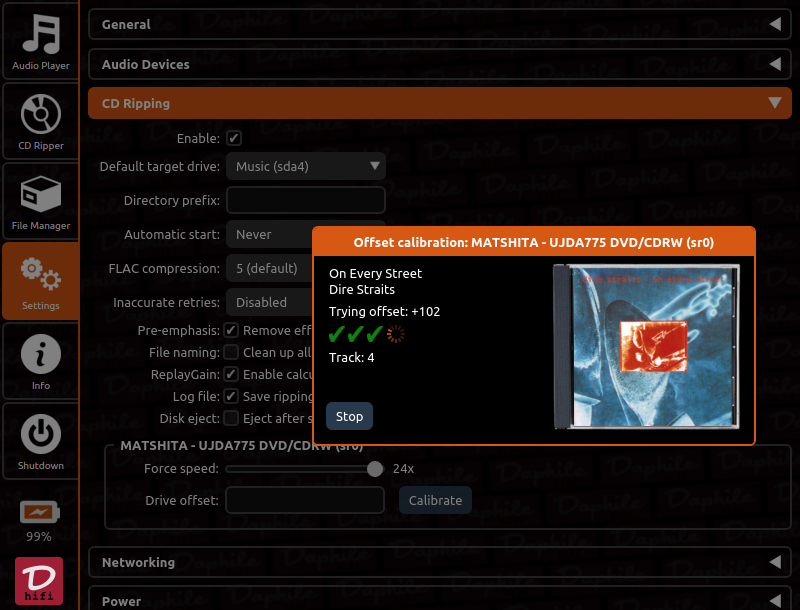
Daphile is based on the open source Squeezebox Server,
Squeezelite and Linux.
Since Daphile is used and
configured completely via the web interface the user is not
required to have any Linux skills.
Installation instructions
Frequently asked questions
DISCLAIMER