







 The Elder Scrolls IV: Oblivion
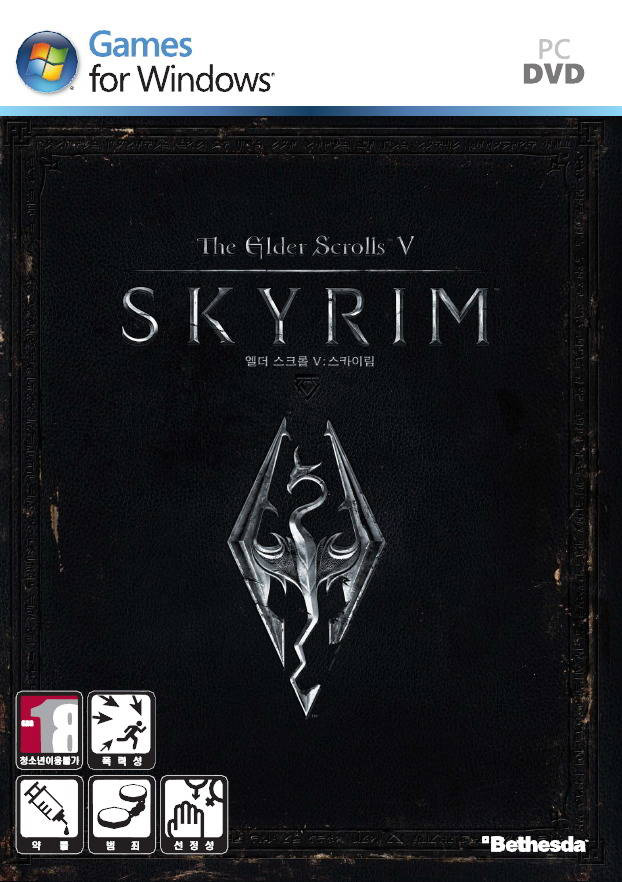 The Elder Scrolls V: Skyrim
 The Elder Scrolls: Online
 Fallout: New Vegas
 Fallout 4
 Fallout 76
 Mount & Blade: Warband
 Mount & Blade II: Bannerlord
 Kenshi
 The Witcher 3: Wild Hunt
 Cyberpunk 2077
 Kingdom Come: Deliverance
 Minecraft
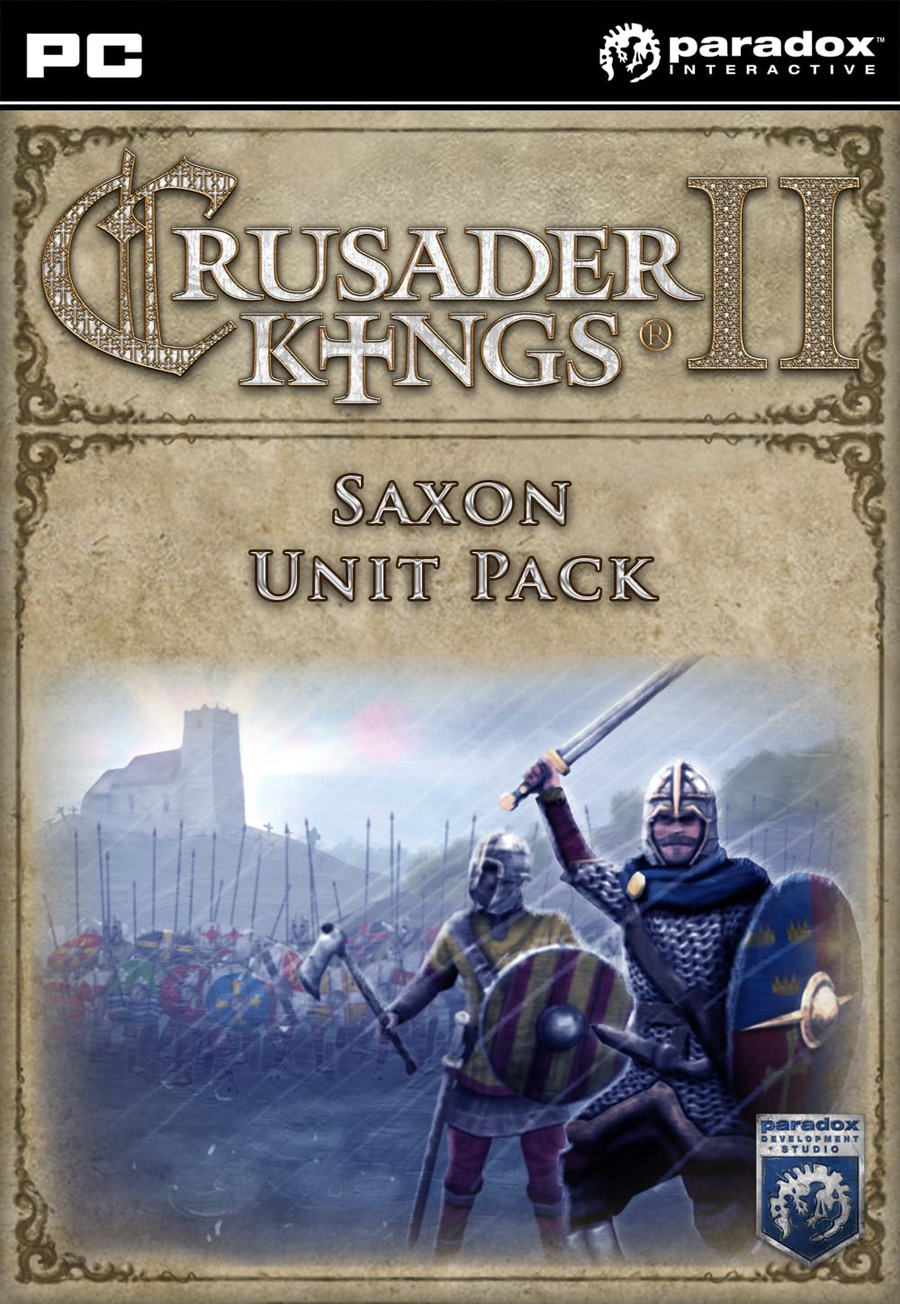 Crusader Kings 2
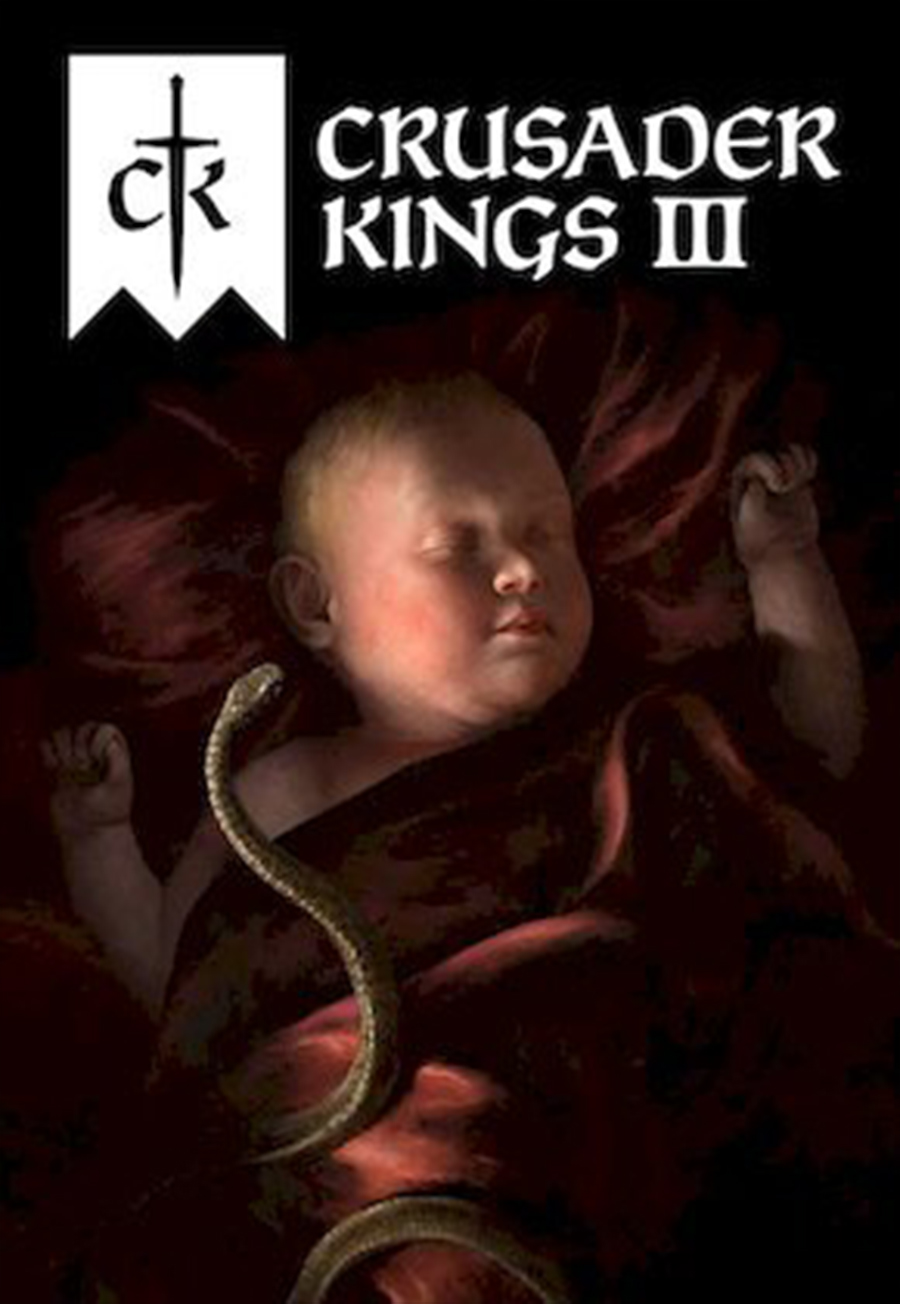 Crusader Kings 3
 Hearts of Iron IV
 Stellaris
 Cities: Skylines
 Cities: Skylines II
 Prison Architect
 RimWorld
 Euro Truck Simulator 2
 American Truck Simulator
 Microsoft Flight Simulator 2020
 Farming Simulator 17
 Farming Simulator 19
 Spintires и Spintires: MudRunner
 BeamNG.drive
 My Summer Car
 My Winter Car
 OMSI 2
 Grand Theft Auto: V
 Red Dead Redemption 2
 Mafia 2
 Stormworks: Build and Rescue
 Atomic Heart
 Hogwarts Legacy
Maila Aanchal is widely regarded as the greatest example of the (Aanchalik Upanyas) in Hindi. After the dominance of the Chhayavaad (Romanticism) era, Renu shifted the focus from the individual to the community and from cities to rural India. He proved that the "local" is universal.
The story revolves around the lives of the residents in a small village, particularly those belonging to the lower castes. The protagonist, a young and educated Dalit (formerly known as "untouchable") man named Dukhi, navigates the challenges of his community, grappling with issues of poverty, social exclusion, and personal identity. Through Dukhi's journey, Khar sheds light on the intricate web of relationships within the village, where traditional social norms and power structures are constantly being negotiated.
Tone & Style
"Maila Aanchal" received the prestigious Sahitya Akademi Award in 1976, recognizing its contribution to Hindi literature.
: The clash between Socialist, Congress, and Communist ideologies in the wake of 1947.
Before downloading a digital copy, it is essential to understand why this book is a milestone. Unlike traditional novels that focused on a central hero, the "hero" of Maila Aanchal is the .
The "Maila Aanchal" (soiled hem) refers metaphorically to Malati’s lost purity — both in the eyes of society and in her own moral reckoning. The novel does not romanticize infidelity; instead, it dissects guilt, loneliness, and the inability to reconcile love with duty.


