| Activity | Urban Nuclear | Urban Joint | Rural Joint | |----------|---------------|-------------|--------------| | Wake-up time | 6–7 AM | 5:30–6 AM | 4:30–5 AM | | Breakfast | Cereal/paratha quick | Fresh idli/dosa (shared cooking) | Bhakri/rice with buttermilk | | Elder care | Separate or old-age home | Integrated (grandparents supervise kids) | Integrated (grandparents assign chores) | | Decision-making | Couple | Senior male/female after discussion | Clan elders | | Evening | Screen time/classes | Aarti , family walk, TV | Chores, village gathering, storytelling |
: Daily life is frequently punctuated by religious and holistic rituals, such as morning prayers (puja), yoga, or applying Ayurvedic practices for health. Typical Daily Routines desi indian bhabhi pissing outdoor village vide high quality
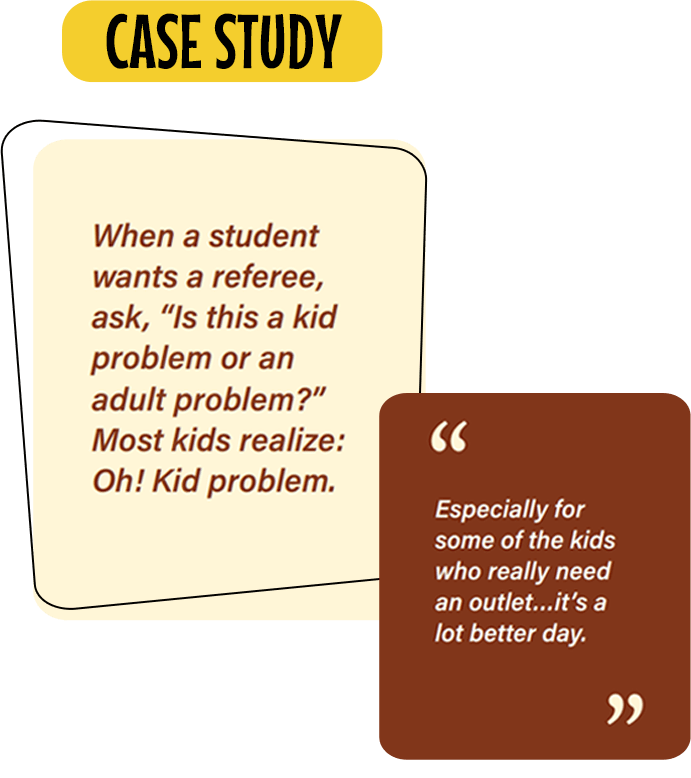
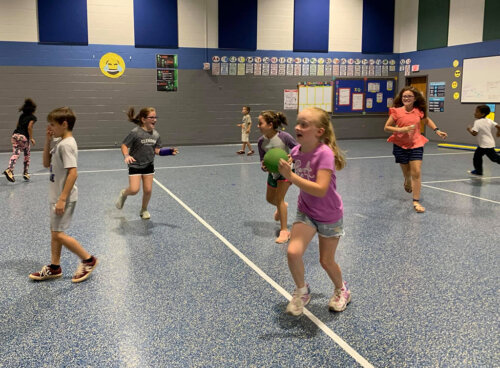
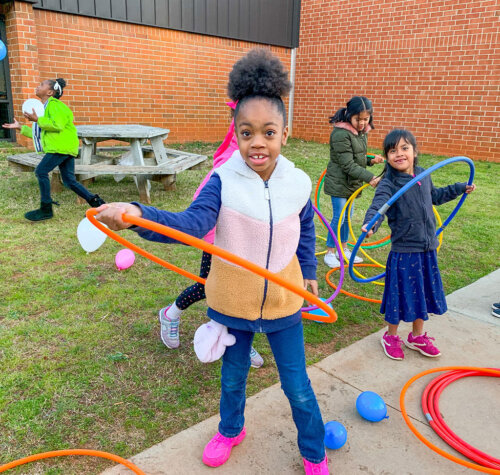
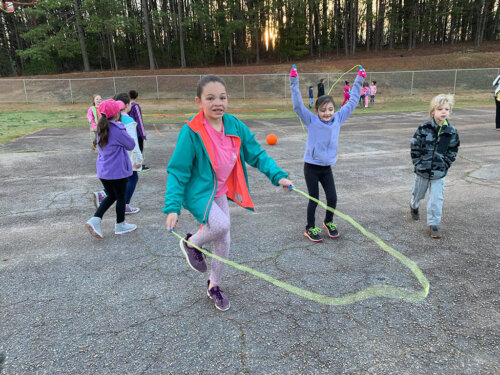
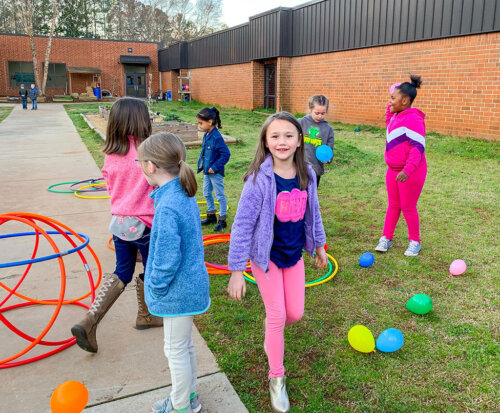
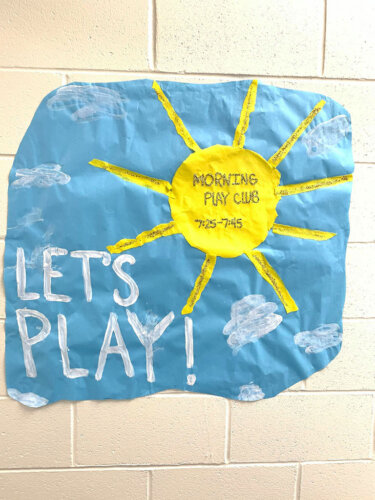
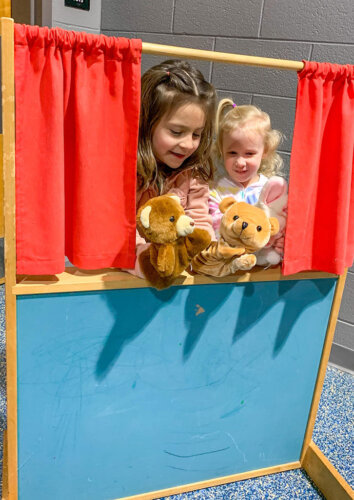
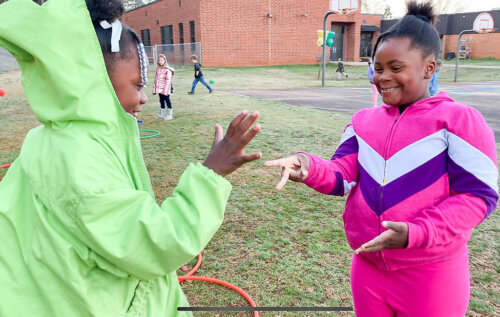
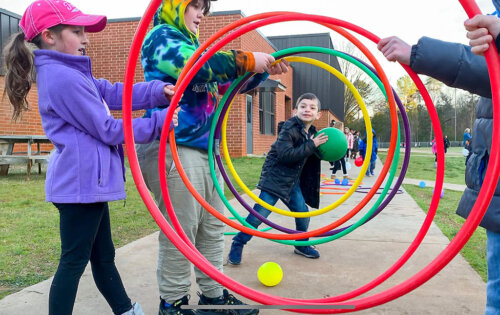
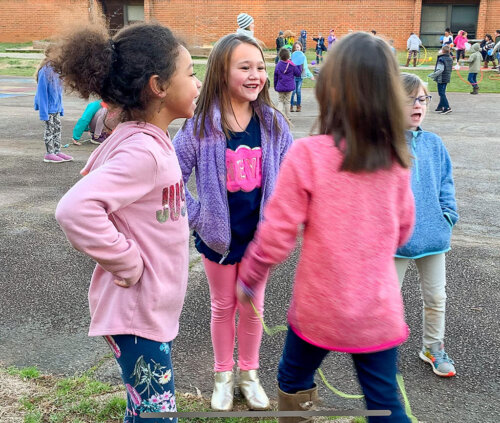
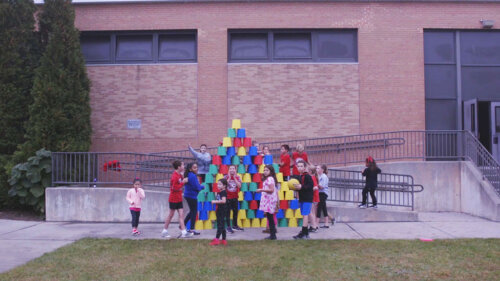
Students at Discovery Ridge Elementary in O’Fallon, Missouri, were tattling and fighting more than they did before COVID and expecting the adults to soothe them. P.E. Teacher Chris Sevier thought free play might help kids become more mature and self regulating. In Play Club students organize their own fun and solve their own conflicts. An adult is present, but only as a “lifeguard.” Chris started a before-school Let Grow Play Club two mornings a week open to all the kids. He had 72 participate, with the K – 2nd graders one morning and the 3rd – 5th graders another.
Play has existed for as long as humans have been on Earth, and it’s not just us that play. Baby animals play…hence hours of videos on the internet of cute panda bears, rhinos, puppies, and almost every animal you can imagine. That play is critical to learning the skills to be a grown-up. So when did being a kids become a full-time job, with little time for “real” play? Our co-founder and play expert, Peter Gray, explains in this video produced by Stand Together.